
I Blamed My Form For Years. The Lat Bar Was The Problem The Whole Time.
I have a built-out garage gym and a decade under the bar. My back still lagged, my wrists and shoulders ached on every pulldown, and I kept loading my lower back between deadlift sets. I thought I needed more discipline. I needed better equipment.

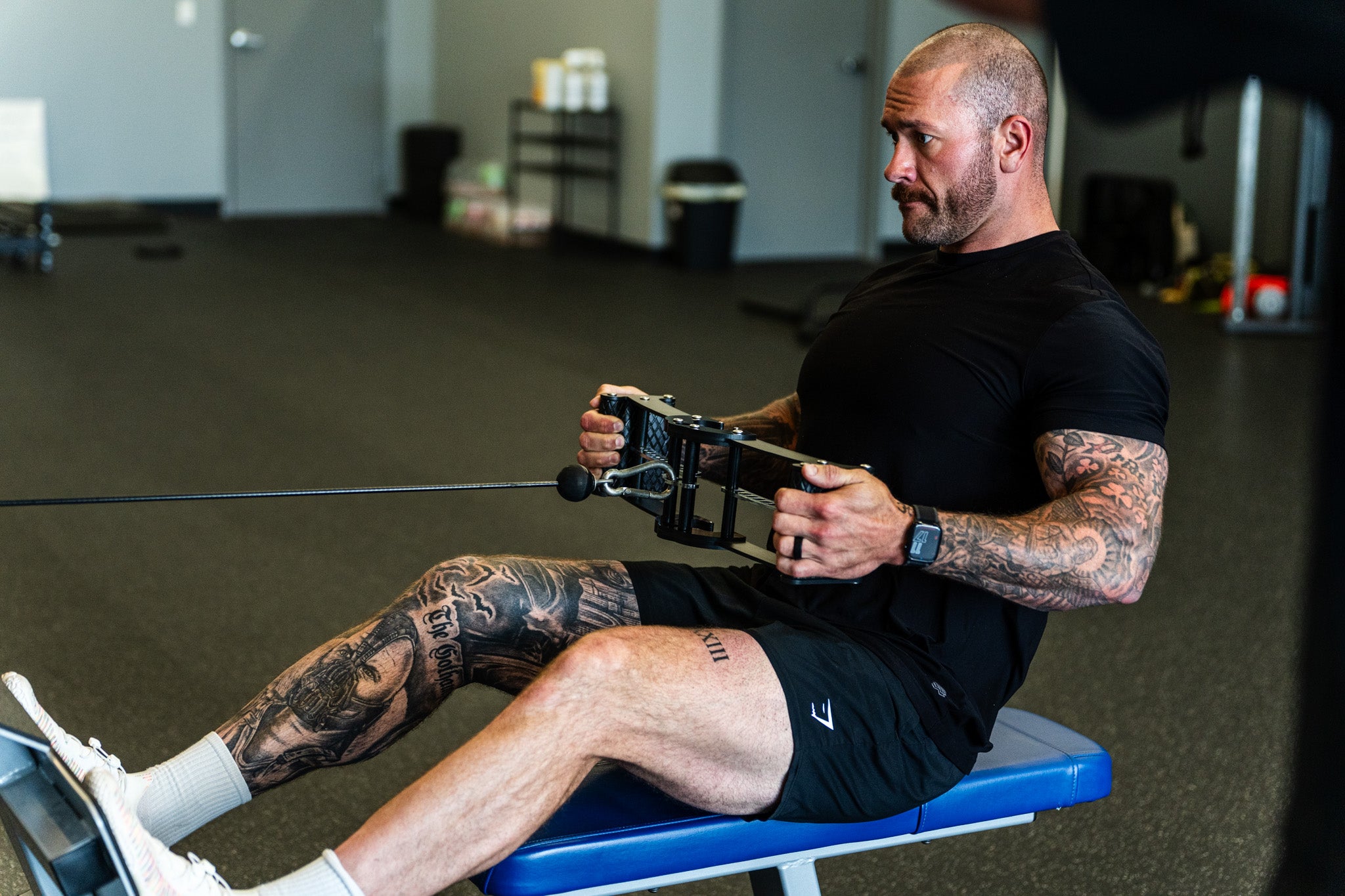
Every back day ended the same way. Sore wrists, a tired lower back, and lats that never showed up.
I'm not a coach. I'm a 39-year-old who has been lifting since college and finally built the garage gym I always wanted. The programming was dialed. The effort was there. But my back was the one body part that never caught up, and every session left the same trail of small complaints.
It took me an embarrassingly long time to admit the obvious. The standard straight lat bar forces your wrists into full pronation. Your forearms are mechanically disadvantaged before the weight even moves, so your body quietly shifts the load off the lats and onto your arms. I wasn't weak. My grip just kept tapping out before my back ever got the message.
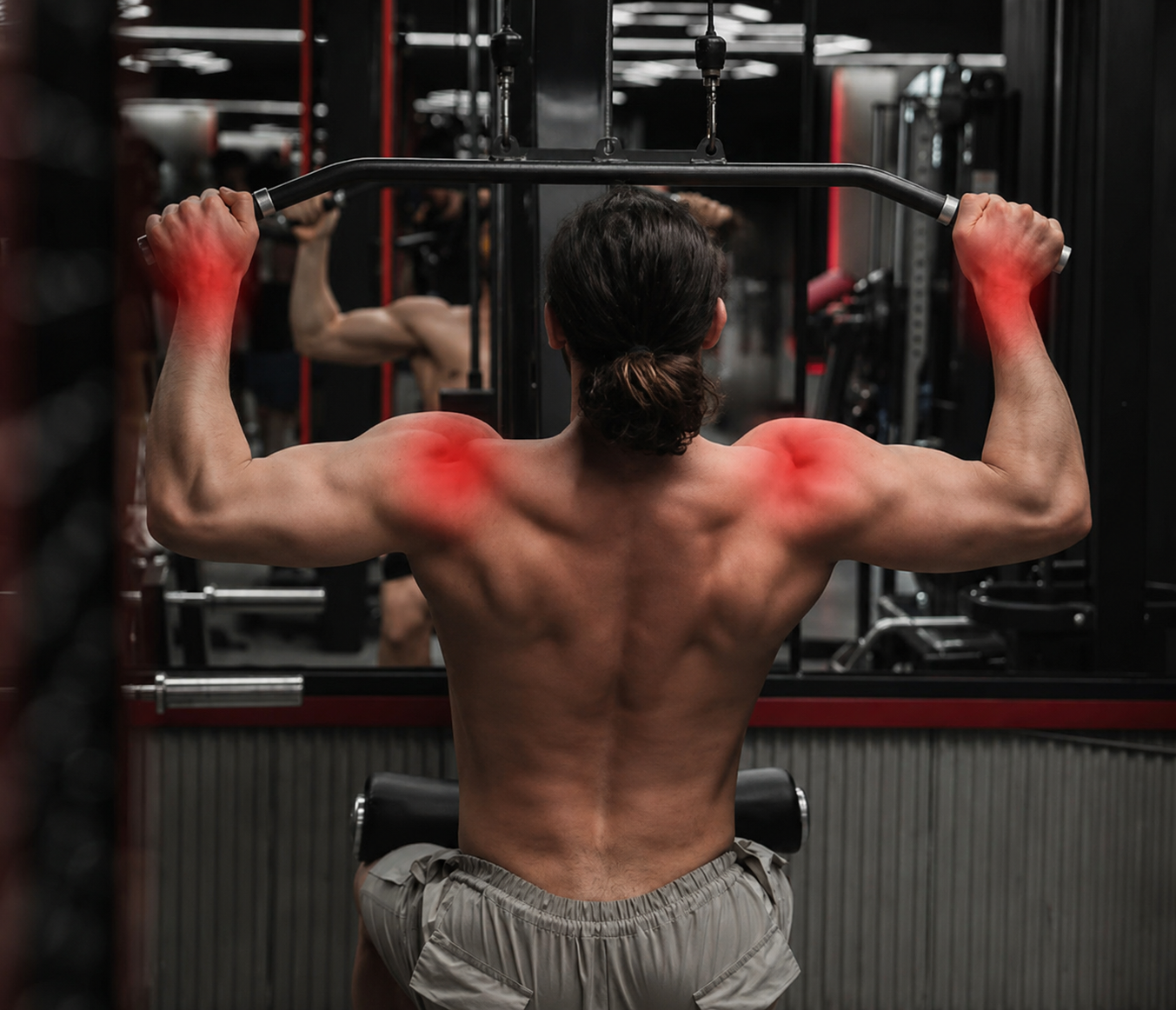
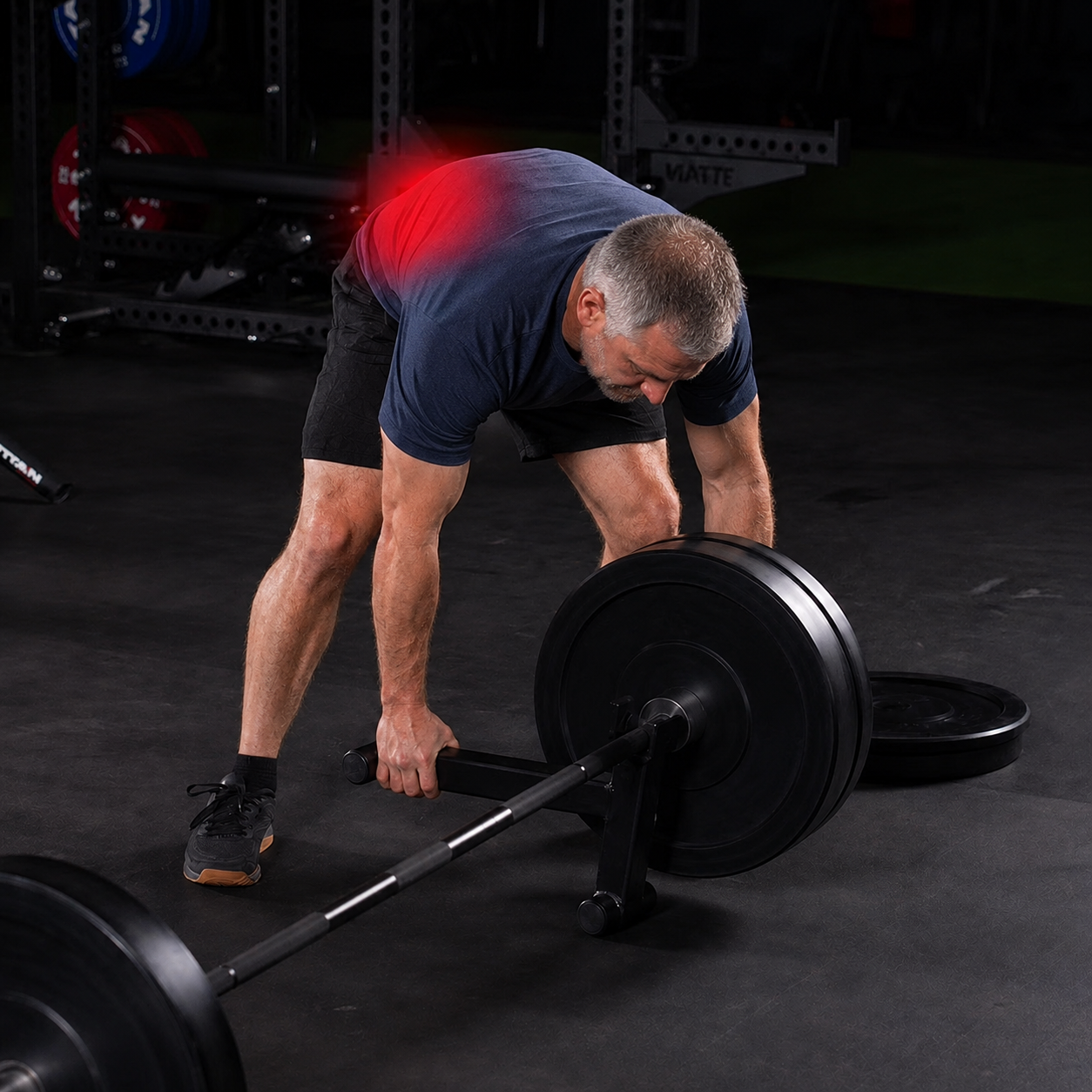
The same story played out at the deadlift bar. Between every heavy set I'd squat down to wrestle plates off the floor, loading my lower back at the exact moment it needed to recover. And pullovers? I'd dropped them years ago because the rope never let my lats reach a real stretch.
I wasn't training my back wrong. I was training it with the wrong equipment.
I spent a year and real money on near-misses.
Every fix solved one thing and broke another. If you've been here, this list will feel familiar.
- A wider straight bar. Still full pronation. My forearms gave out long before my lats ever got going.
- Lifting straps on everything. Masked the grip problem for a week. Then the wrist ache came right back.
- Sliding plates off the floor. Saved thirty seconds and spent them loading the one thing that needed to rest: my lower back.
- A rope for pullovers. Force scatters, tension dies, the lats never reach full stretch. I quietly dropped the movement.
A $99 bar that fixed the angle, the grip, and the loading, all at once.
It's called the Back Bar, and Uclips founder Eliott Ekindi built it around how a back actually works instead of how attachments are usually sold. Palm-facing neutral handles. A chassis that stands up as a deadlift jack. A rigid landmine row handle. A flat center grip for pullovers.
Same back day. One piece of steel. Four problems gone. See what it actually does:
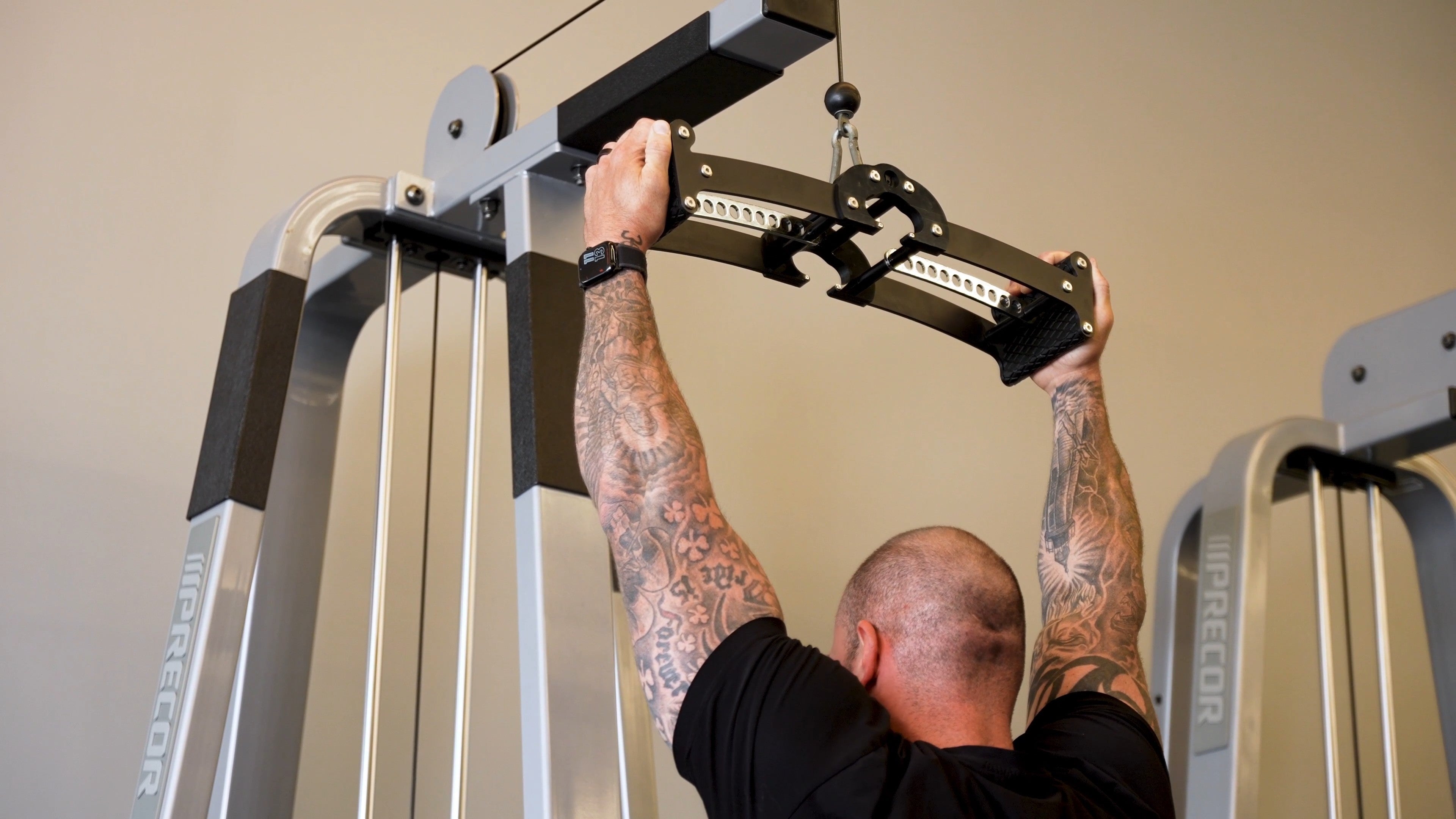
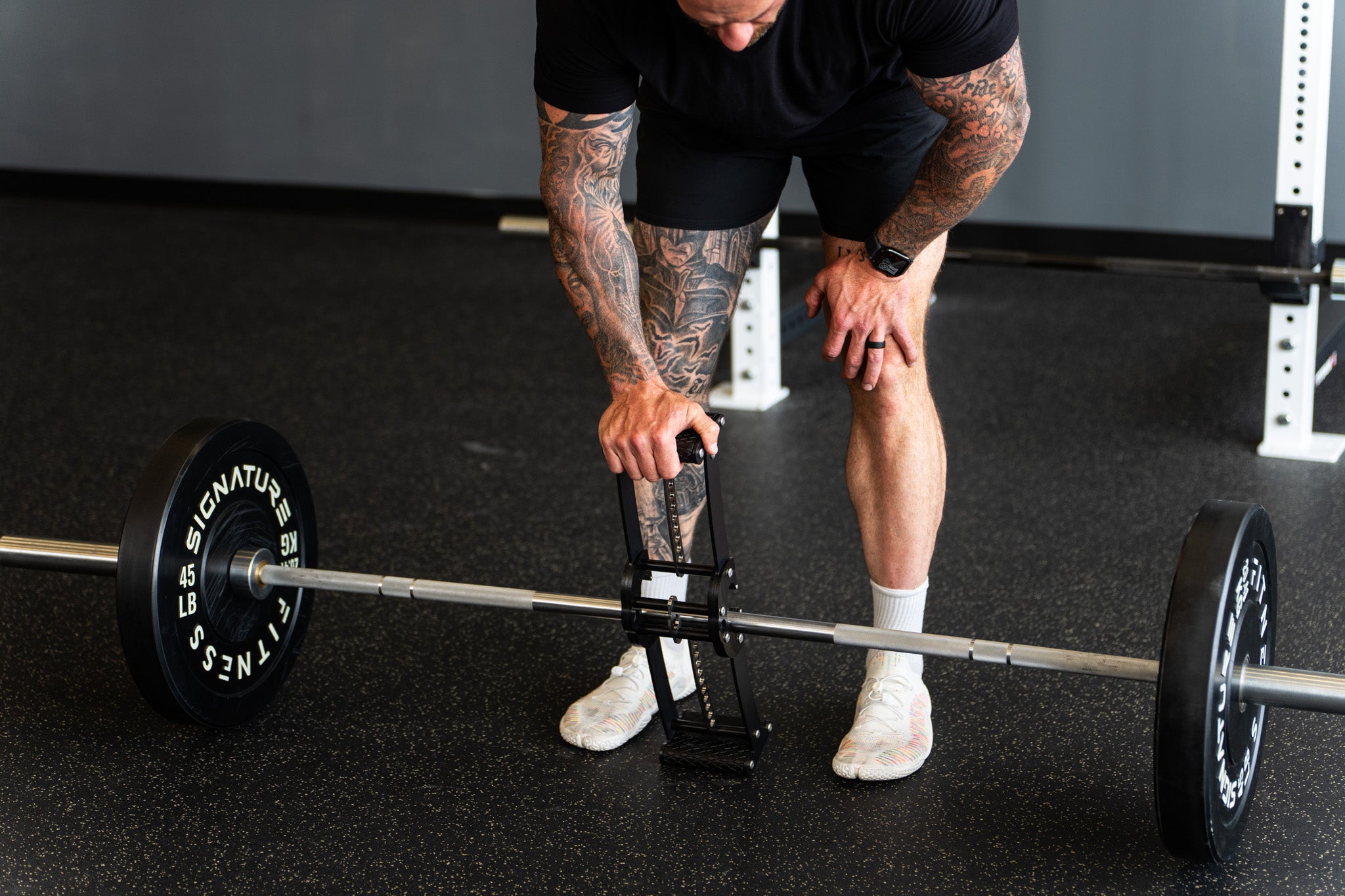
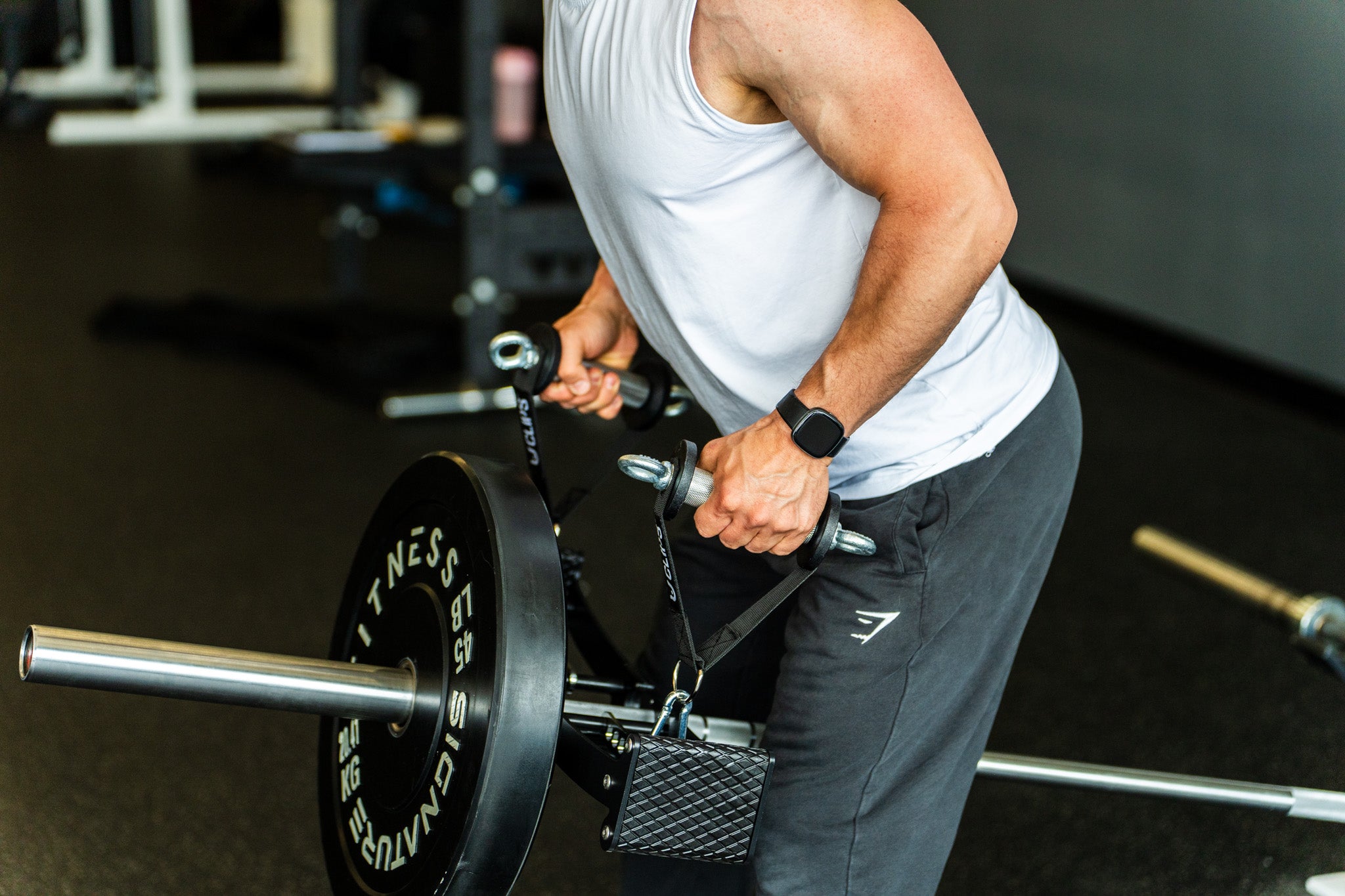

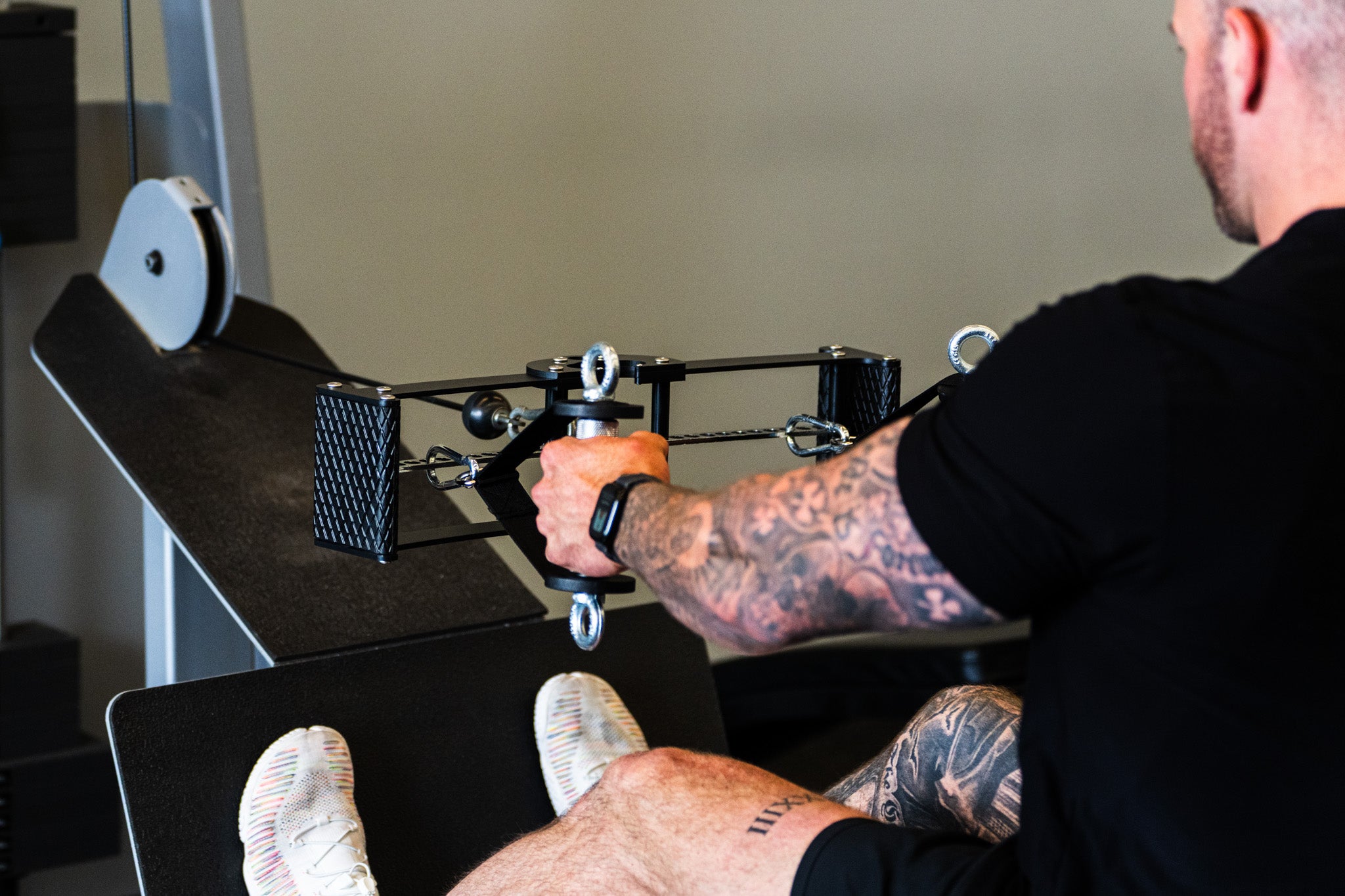
Palm-facing angled handles take the wrists out of full pronation. The lats drive the pull and the forearms stop stealing the load: more lat per rep, no wrist ache after.
Four movements I used to need four separate purchases for. Now they all hang on one bar, clipped to the cable system I already owned.
Six things I got back.
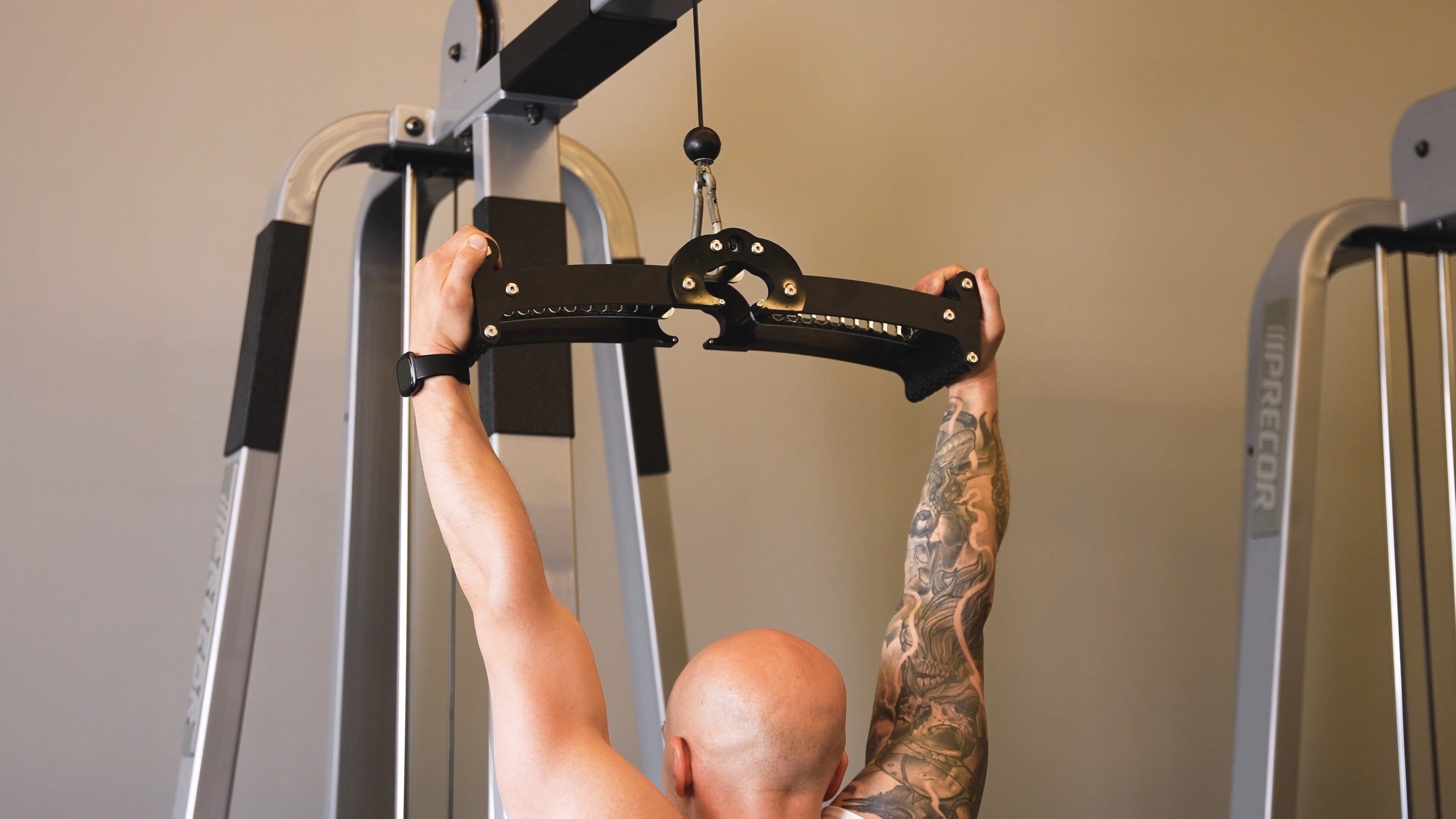
A true back day necessity for the home gym. Deadlifts and T-bar rows have never been easier, and the neutral pulldown feels really good, especially in the stretch.David D. · Verified Back Bar owner
Lifters with the same problem, same result.

“I use the Back Bar for rowing, deadlifts (since it's also a bar jack) and even pull-ups. Very well made and versatile. I really couldn't be happier with it.”
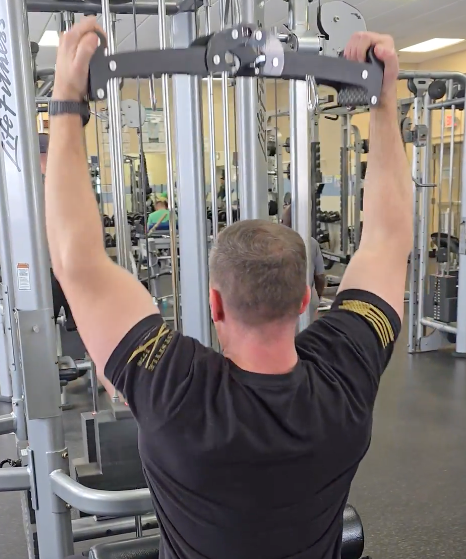
“The Back Bar is very sturdy and heavy duty. Very convenient vs looking all over the gym for attachments. My buddies were impressed by it as well!”
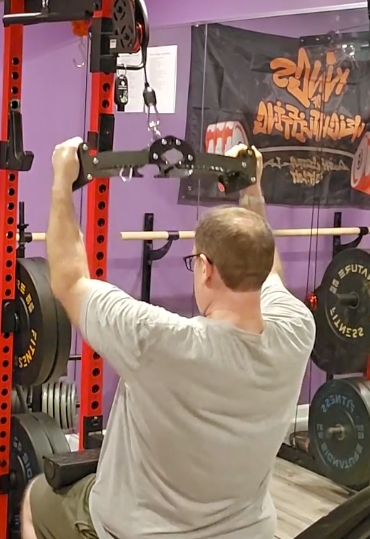
“Using it to change plates on my deadlift — quick and easy. I connected both pulleys for a better range of motion and a full 1:1 ratio on the pulls. Can't wait to try lat prayers.”

“As a 67-year-old woman it was getting to be a huge struggle to get the weight plates on and off. Not anymore! Looking forward to all the other ways I can utilize this in my garage gym.”
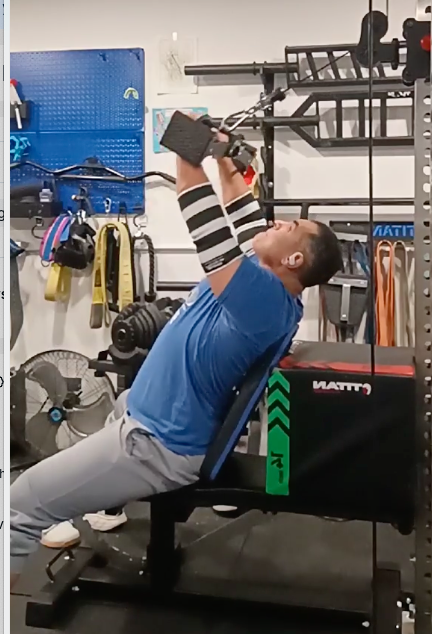
“I felt my back get pumped, so a big thumbs up there. The deadlift jack does what it's supposed to do and made life easy. And the pullovers? They sold themselves short on how good those are.”
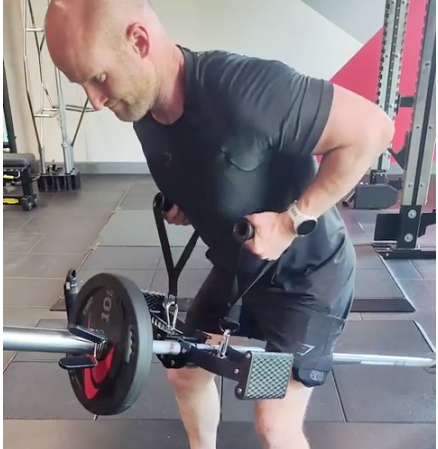
“Superb bit of kit. Helps so much helping clients perfect their form.”
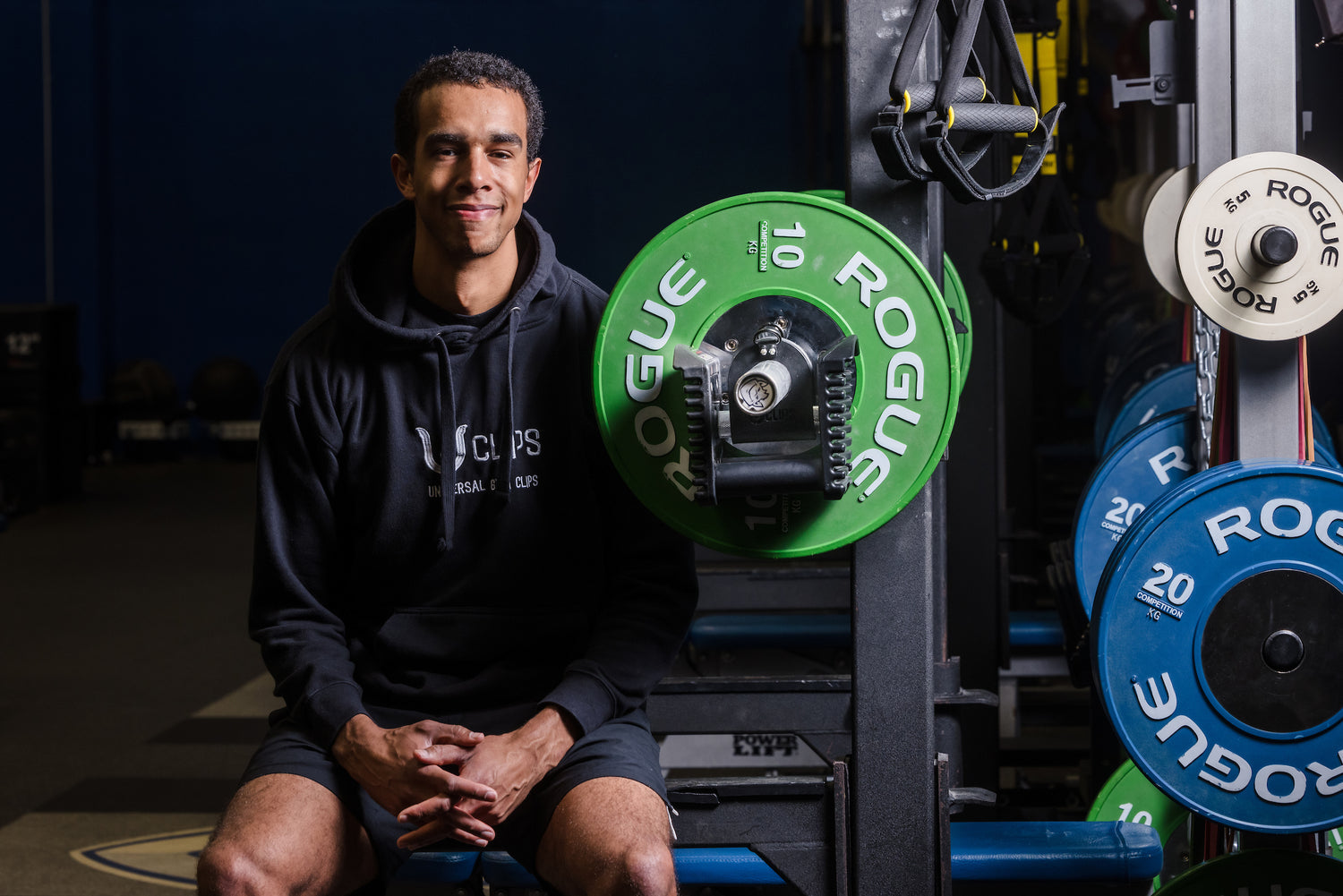
From the founder
“I didn't understand why we had several attachments with similar builds that hadn't been combined into one. For a home gym, maximising space and versatility has always been my priority, so I looked at back attachments that could be merged, and built a product you could use for your entire back day.”
Eliott Ekindi · Founder, Uclips
The Back Bar.
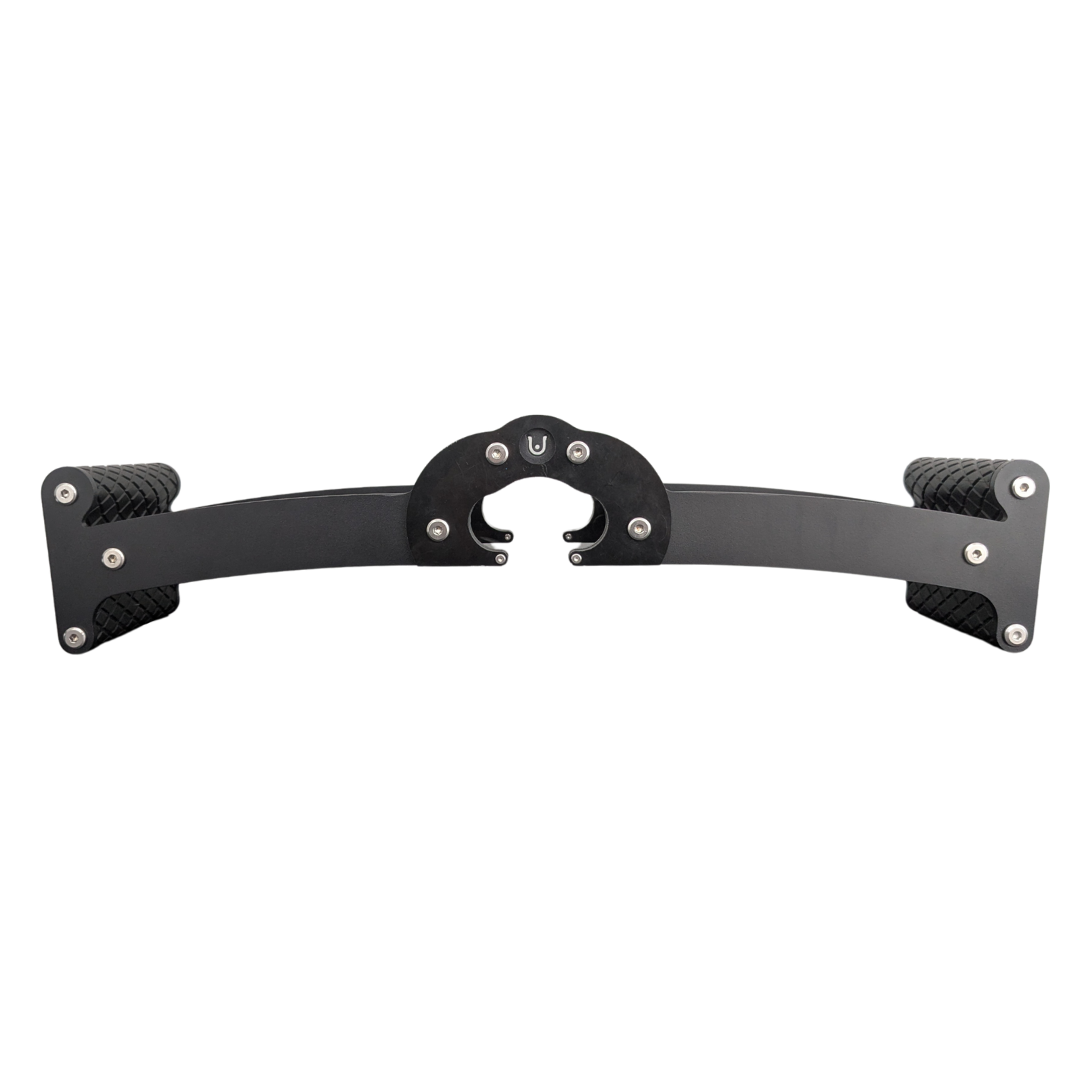
Four movements. One bar.
- Neutral pulldown, deadlift jack, landmine row & cable pullover
- Steel chassis · UHMW-lined · rated to 800 lb
- Patented design that fits any cable system
- Ships with 2 carabiners · 10 loading holes per side to dial in grip width
40,000 happy customers, ships next day.
Get The Back Bar14-day returns · Ships next business day · USA, UK, EU, CA & AU
Run it for 14 days.
Clip it on, load it, train a few back days on it. If it doesn't change how your sessions feel, send it back within 14 days for a full refund. The only thing you're risking is another month of fighting your equipment.
The questions I had too.
That's a straight, fixed bar — it locks your wrists into full pronation. The Back Bar's angled, palm-facing handles change the movement entirely. They are not the same piece of equipment.
You're loading your lower back between every deadlift set — the one time it needs recovery. The deadlift jack takes five seconds standing up. Your posterior chain trains better when it's actually resting.
Yes. Dual-carabiner attachment, compatible with every cable system — commercial or home gym. It ships with 2 carabiners included. If your machine has a cable, it works.
A standalone deadlift jack runs $50–$150. A neutral grip is $80 and up. A landmine row handle adds $40 more. The Back Bar replaces all of them — it's the most cost-efficient back accessory you'll buy.
The rope disperses force and needs constant wrist micro-adjustments. If pullovers have always felt off, that's exactly why. The flat grip removes the friction and lets the lats reach full stretch.
I stopped blaming my form. I changed the bar.
If the wrong equipment is the only thing between you and a back day that actually works, $99.99 is a small price to find out.
4.7★ from 76+ reviews · Trusted by 40,000+ gyms worldwide